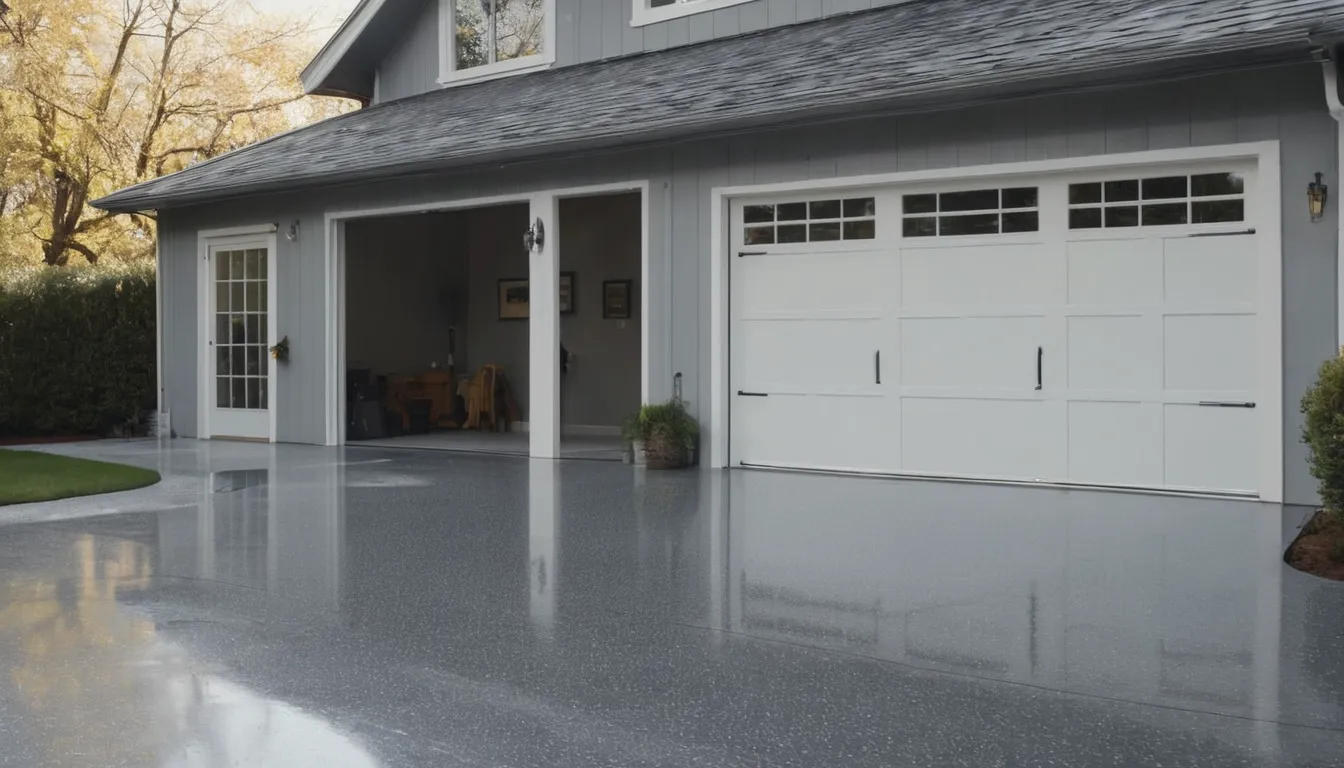
Garage and Concrete Floor Coating Questions, Answered
Request an estimate when you're ready
Questions and answers
How do I keep my garage floor coating from peeling?
Prep comes first. Most peeling starts with a dirty, oily or damp slab, or one that was never ground or profiled. Ask the provider how they will clean, grind and test for moisture. Fix cracks before coating. Good prep matters more than the brand of product on top.
Can winter salt and freeze-thaw cycles damage a coated floor?
They can hurt bare concrete more than coated concrete. Road salt, snowmelt and repeated freezing can flake an unsealed slab. A sealed surface helps keep water and salt out. Rinse off salty slush in winter, and ask a provider which coating handles cold garages well. Some cure better in cold weather than others, so ask about timing.
Will homeowners insurance pay for a damaged concrete floor?
It depends on your policy and the cause. Some policies may cover sudden damage, but wear, age and slow moisture problems are often excluded. Check your policy and talk with your insurer. Providers can often help document damage with photos and written notes if you need to file a claim.
How much does epoxy garage floor coating typically cost?
Typical U.S. prices often run from a few dollars to well over ten dollars per square foot. Slab condition, crack repair, size and the coating type all change the total. Polyaspartic usually costs more than basic epoxy. Get a written quote that lists prep, materials and any extras.
Can I coat my garage floor myself with a kit?
You can, but results vary. Store-bought kits are often thinner than professional systems and need careful prep. Rushing the cleaning or skipping moisture checks leads to peeling. A small, dry, newer slab is a fairer DIY job. Large or damaged floors are better left to a provider.
What is the difference between epoxy and polyaspartic coatings?
Epoxy is a common, sturdy choice with a glossy look. Polyaspartic is a newer type that often cures faster and resists sunlight yellowing better. It can cost more. Many providers use both, such as epoxy as a base with a polyaspartic top layer. Ask which fits your garage.
What should I ask a provider before hiring?
Ask about prep steps, product type, cure time and what the written quote includes. Also ask about any warranty in writing. A good answer is specific. Red flags include vague prep plans, pressure to sign fast, or a price that only covers the top coat.
Can older slabs or basement floors be coated?
Often yes, but older slabs need a closer look. Stone or block foundations and full basements may have moisture coming through the floor. A provider can test for it and repair cracks first. If moisture is heavy, they may suggest a different coating or fix the cause before coating.
Request a callback
Tell us about your floor and request an estimate. A provider in our network can follow up with questions and a written quote.
No obligation