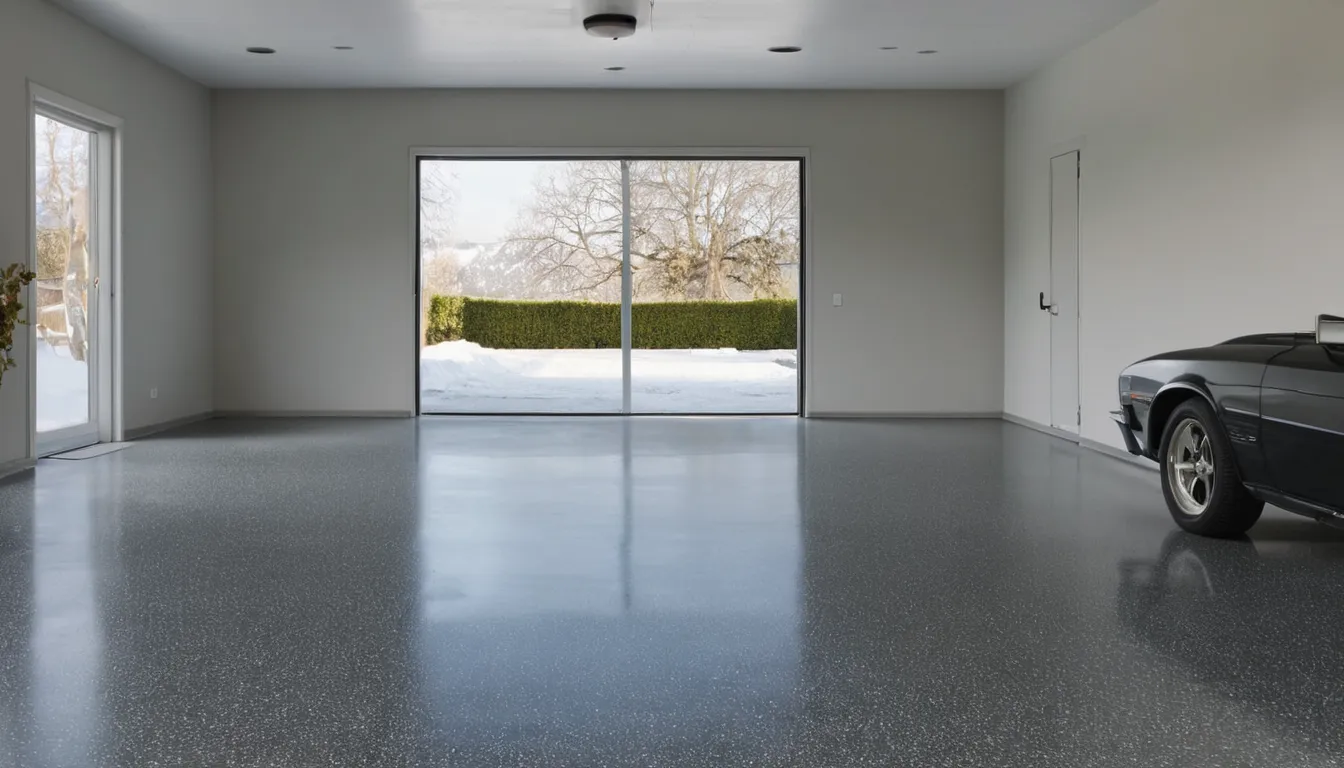
Epoxy Garage Floors for Your Home
Request an estimate from a local provider
A garage floor takes a beating. Road salt, melting snow, hot tires and dripping oil all end up on the slab. After a few winters, bare concrete can look dusty, stained and cracked. Epoxy is a hard coating that bonds to the concrete and seals it.
Responsibilitylevels Floor Coating is a referral service. We explain the basics in plain words, then connect you with independent providers in our network. The providers do the work, not us. If this is your first floor project, you are in the right place. Read on, make a list of questions, and request an estimate when you feel ready.
Is Your Garage Floor Asking for Help?
Cracks, dusty patches, oil spots and flaking paint all say the same thing. The concrete is worn out. In snowy parts of the country, salt and slush ride in on your tires all winter. Then the spring thaw soaks the slab.
Epoxy garage floors are a common fix. A local provider cleans and prepares the slab, then adds a hard layer on top. This page walks you through it like a neighbor who has done it before.
Spot the Urgent Problems First
Some issues matter more than looks. Check for these before you pick a color:
- Deep cracks, or pieces that shift when you walk
- Damp spots or puddles that linger after storms
- Crumbling edges near the garage door
- Old oil that has soaked deep into the surface
Point each one out to the provider. Fixing them first protects the coating you are paying for.
Start with the Slab
Prep comes first. Epoxy does not hide a weak floor. It sticks to whatever is underneath. If the surface is dusty, greasy or wet, the coating can peel later.
Many providers use a diamond grinder to open up the concrete so the coating can grip. Acid etching from a store kit is usually less even. Ask which method the provider uses and why.
Moisture: The Quiet Troublemaker
Older homes with block or stone foundations can let moisture rise through the slab. Cold winters and spring melt make this worse. Trapped vapor can push a coating up in bubbles.
A good provider tests the slab before quoting a system. If readings run high, they may suggest a moisture-blocking primer. That costs more, but it is cheaper than a redo.
Common Epoxy Floor Systems
Not every epoxy floor is the same. Here are the types you will hear about:
- Solid color: one or two coats in a single shade. Simple and clean.
- Flake or chip: colored flakes are scattered into the wet coat. This adds grip and hides small flaws.
- Metallic: swirled pigments for custom floor finishes with a deep look. It takes more skill.
- Thin store kits: low upfront price, but they often wear out fast under hot tires.
Ask to see a sample board, not just a photo.
Thickness and Why It Matters
Coatings are measured in mils. A thicker build usually resists chips and tire marks better. Ask for the system's thickness in writing so you can compare quotes fairly.
What a Typical Install Looks Like
Every provider has their own routine, but most jobs follow the same path. First comes cleaning and grinding. Next, cracks and chips get filled. Then a primer goes down, followed by the epoxy and any flakes. A clear topcoat finishes the job.
Plan on a few days for the whole process, because each layer needs time to set. The exact timing depends on the product, the weather and the size of your garage.
Topcoats and Sunlight
Some epoxies turn yellow or chalky in strong sun. If your garage has windows or a door that faces the sun, ask about a UV-stable topcoat. A clear urethane or polyaspartic layer can also resist scratches and chemicals.
For the full story on that option, see our separate page on polyaspartic floor coating.
Getting the Garage Ready
Your provider will tell you what they need. In general, plan on this:
- Empty the garage, including shelves, bikes and wall items
- Move cars and bins to the driveway or a neighbor's space
- Clear a path for equipment and power
- Keep pets and children out of the work area
- Ask where to park once the floor is done
Emptying a garage in winter is no fun, so many people pick a milder stretch of weather. Ask the provider about temperature limits for the product.
Caring for Your New Floor
The floor is easy to live with once it cures. Sweep often and wipe up spills when you see them. Use a soft mop and mild cleaner. Skip harsh scrubbing pads.
In winter, a squeegee helps push melted snow and salty water toward the door. Mats or a rubber pad under the tires can reduce hot-tire marks. Ask the provider when it is safe to drive and park on the floor.
Questions to Ask Before You Sign
A calm list of questions helps you sound like a pro. Here are the main ones, with what a good answer sounds like:
- How will you prep the slab? Look for grinding and crack repair, not just a quick wash.
- Will you test for moisture? A good answer names a test and explains the results.
- What system and thickness are you quoting? You want product names and numbers, in writing.
- What does the warranty cover? A clear answer lists what is covered, for how long and what voids it.
- Are you licensed and insured where I live? Ask to see proof. Rules vary by state.
Red Flags to Watch For
Be careful if someone pushes you to sign on the spot. Watch for a vague quote with no product names. Be wary of a price that is far below the others, or a plan that skips grinding. A good provider welcomes your questions.
Ask Before You Sign
You do not need to be an expert. You need a clear list, a written quote and a provider who explains each step. Compare two or three estimates side by side before you decide.
What's Included
Slab Prep
Cleaning, grinding and crack filling so the coating bonds to solid, dry concrete.
Epoxy Base Coat
A tough, sealed layer in the color or flake pattern you choose for your garage.
Custom Color Options
Solid shades, decorative flakes or metallic swirls to match your home and your style.
Protective Topcoat
A clear finishing layer that adds scratch, chemical and sunlight resistance to the floor.
Typical Epoxy Garage Floor Price Ranges
Prices vary a lot by garage size, slab condition and the system you choose. These are typical U.S. ranges only. Always get a written quote that lists prep, materials and the topcoat.
| Item | Typical range | Notes |
|---|---|---|
| Basic solid color epoxy (2-car garage) | $1,500 – $3,500 | Fewer layers; prep quality changes the price |
| Flake or chip system (2-car garage) | $2,500 – $5,500 | Adds grip and hides small flaws |
| Metallic epoxy (2-car garage) | $4,000 – $8,000 | Skilled work; more material and time |
| Diamond grinding and surface prep | $0.50 – $2.00 per sq ft | Often included in the full quote |
| Crack and spall repair | $100 – $600 | Depends on number and depth |
| Moisture-blocking primer | $0.75 – $3.00 per sq ft | Useful for damp slabs or older foundations |
How It Works
Share Your Project
Tell us about your garage, the floor's condition and what you would like it to look like.
Get Matched Locally
We connect you with a provider in our network who serves your part of the area.
Compare Written Quotes
Review the prep, system, thickness and warranty details from each provider before you choose.
Pick and Schedule
Choose the provider you trust, confirm the plan in writing and set a date that fits the weather.
Why Call Responsibilitylevels Floor Coating
Plain Guidance
We explain epoxy basics in simple words, so you know what to expect before talking to anyone.
Local Providers
You are connected with independent providers in our network who serve your area.
Smart Questions
Clear checklists help you compare quotes and spot weak plans before you sign.
No Pressure
Request an estimate when you are ready. There is no obligation to hire anyone.
Other Services
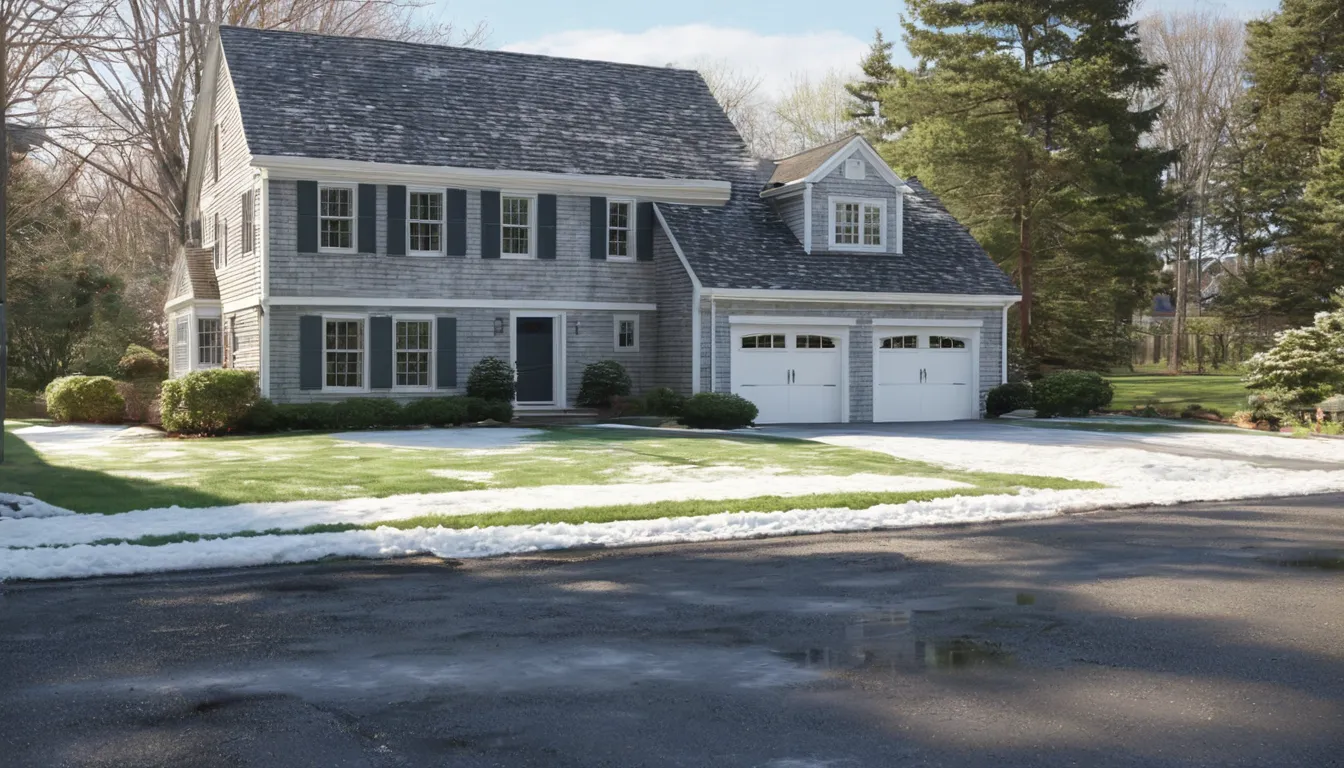
Need epoxy garage floors services in Lake Grove?
Tell us about your floor and request an estimate. A provider in our network can follow up with questions and a written quote.
No obligationEpoxy Garage Floors Services FAQ
How long does an epoxy garage floor last?
It depends on prep, the product and how you use the garage. A well-prepared floor with a quality topcoat can last many years. Thin store kits often wear out much sooner. Ask the provider what their warranty covers.
Can epoxy be applied over cracked concrete?
Often yes, after repair. A provider fills cracks and chips first, then coats the slab. Large or shifting cracks may point to a deeper problem, so ask for an honest opinion before you commit.
Can I put epoxy on my garage floor in winter?
It depends on the product and the temperature. Most epoxies need the slab and air to stay within a set range while they cure. Ask the provider about temperature limits and how they handle cold weather.
Request a callback
Tell us about your floor and request an estimate. A provider in our network can follow up with questions and a written quote.
No obligation