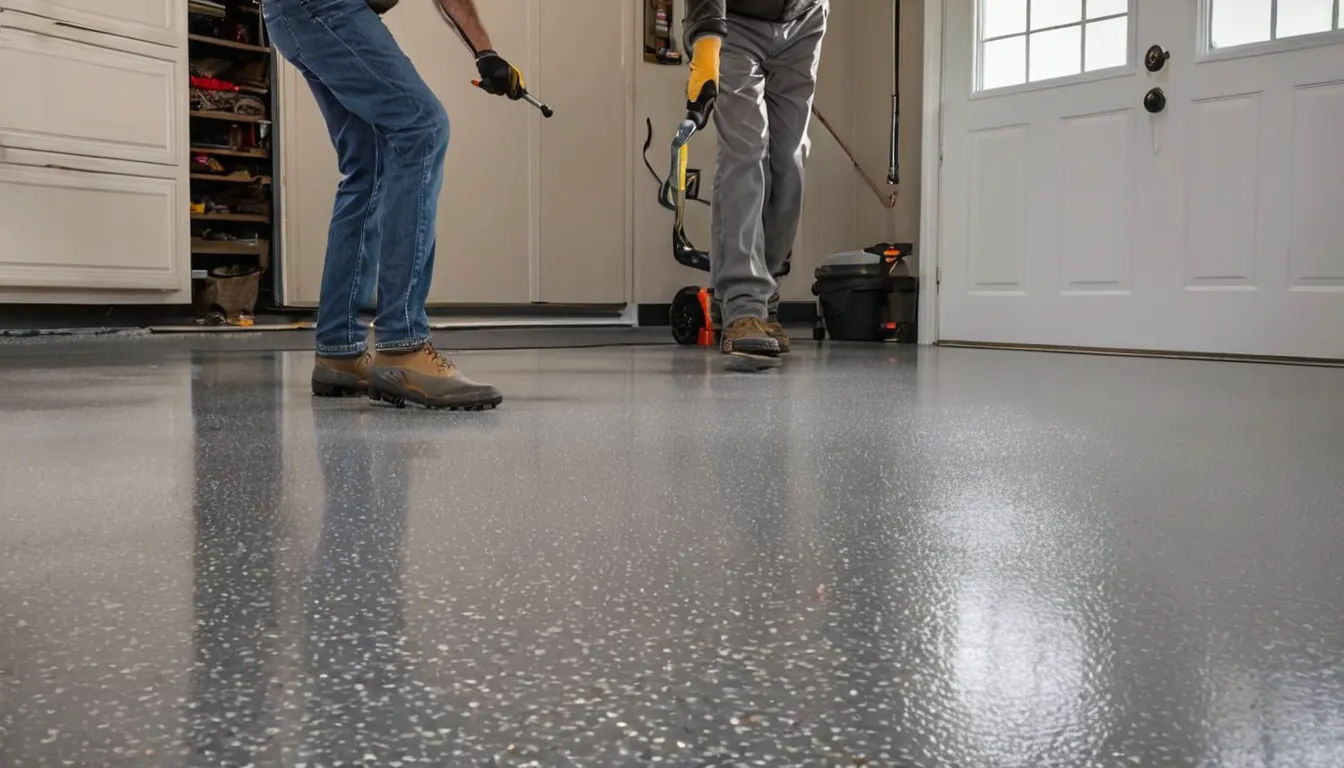
Polyaspartic Floor Coating for Garages and Concrete
Request an estimate to get started
Polyaspartic is a type of coating made for concrete. It goes on as a liquid, cures fast, and leaves a hard, glossy surface. Many homeowners pick it for garages because the floor can often be back in use sooner than with some other coatings.
Responsibilitylevels Floor Coating is a referral service. We do not do the work. We explain the basics in plain words, then connect you with independent providers in our network around the Lake Grove area. You can request an estimate, compare answers, and ask your questions before you sign anything. If you have never coated a floor before, this page is a good map to start with.
Need Your Garage Back in Use Soon?
Maybe the car has been parked outside for weeks. Maybe snow season is close. Polyaspartic is popular because it cures fast, so a garage can often return to normal use sooner than with slower coatings. Exact timing depends on the product, the weather and the provider.
What Polyaspartic Is, in Plain Words
Polyaspartic is a clear or tinted resin that bonds to concrete. Think of it as a tough shell over your slab. It resists scuffs, road salt, tire marks and many household chemicals. Many versions also hold up to sunlight better than standard epoxy, so the color is less likely to yellow.
How It Differs From Epoxy
Both are concrete coating options, and both can look great. The main differences are speed and feel.
- Cure time: Polyaspartic usually sets much faster than epoxy.
- Sunlight: It tends to stay clearer near bright garage doors and windows.
- Thickness: Epoxy is often applied thicker, so it can fill small flaws better.
- Price: Polyaspartic materials often cost more per square foot.
If you want to learn about epoxy garage floors on their own, that topic has its own page. Here, we stay with polyaspartic.
Full Polyaspartic or a Hybrid System?
This is one of the first choices a provider may ask you about.
Full polyaspartic system
Every layer is polyaspartic. It is quick to finish and very durable. It also costs more and needs skilled, fast hands.
Hybrid system
An epoxy base goes down first. A polyaspartic topcoat goes over it. You get the filling power of epoxy and the tough, clear finish of polyaspartic. Many homeowners find this a balanced choice.
Ask the provider why they suggest one over the other for your floor.
Start With the Slab
Prep comes first. A coating is only as good as what it grips. Providers usually grind the concrete with a diamond grinder to open the surface. They then fill cracks and chips, and clean away dust.
Older homes in our region often have slabs that have seen decades of cold winters and spring thaw. Cracks, patched spots and old sealers are common. Moisture can also rise from the ground. A careful provider checks for it before coating, because trapped moisture can cause peeling.
What the Job Looks Like
Every provider has their own routine, but the steps are often similar:
- Clear the garage and look over the slab.
- Grind the floor and repair damage.
- Apply a base coat, and add flakes if you chose them.
- Apply a clear topcoat for shine and wear resistance.
- Let it cure before cars and heavy items return.
Many jobs for a typical garage wrap up in a day or two. Ask for a clear schedule in writing.
Where It Works Well
Garages are the usual choice. The coating handles hot tires, drips and salty slush. It can also suit basement floors that are dry, workshops, porches, patios and covered walkways. Full basements in older stone and block homes need extra moisture checks first. Some owners planning hardwood flooring installation upstairs also coat the garage in the same season, so all the dusty work is done together.
Cold Snaps, Thaws and Timing
Temperature matters. Most coatings need the slab to be within a certain range to cure well. Polyaspartic is often more forgiving in cool air than epoxy, but it is not magic. A very cold or damp slab can still cause trouble.
Many homeowners book in early fall or late spring, when the weather is milder. Snowmelt can also leave a slab wet, so give it time to dry after the thaw. A good provider will tell you if the floor is not ready.
Request a callback to check provider availability in your area.
Colors, Flakes and Finish
This is the fun part. Custom floor finishes can be simple or bold.
- Solid color: Clean and modern. Gray and tan are common.
- Flake blends: Small colored chips add texture and hide dirt.
- Metallic looks: Swirled shades give a deep, one-of-a-kind effect.
- Gloss level: Gloss looks rich. Matte hides scuffs and can feel less slick.
Ask to see a real sample board, not just a photo. Colors look different under garage lights.
Caring for the Floor
Care is easy. Sweep or dust mop often. Mop with mild soap and water. Wipe up oil and salty slush when you can. Skip harsh acids and abrasive pads. Felt pads under heavy tool chests help prevent scratches.
Ask Before You Sign
A calm list of questions can save you trouble later. Bring it to every estimate.
What a good answer sounds like
- They explain their prep steps in detail, including grinding and crack repair.
- They test for moisture and tell you what they find.
- They name the product and show you the data sheet.
- They give a written quote with the scope, the schedule and the warranty terms.
Red flags
- A price quoted without seeing the floor.
- No mention of grinding, or a claim that acid etching is enough.
- Pressure to sign today.
- Vague answers about who will be on site.
What's Included
Surface Prep
Grinding, crack repair and cleaning so the coating can grip your concrete.
Base and Color
A solid color or flake-filled base coat, chosen from sample boards you can see.
Clear Polyaspartic Topcoat
A glossy or matte clear layer that adds wear resistance and sun stability.
Cure Plan
Clear directions on when you can walk, park and move items back.
Typical Polyaspartic Coating Costs in the U.S.
Prices vary by slab condition, garage size, product and region. These are typical U.S. ranges, not quotes. Ask each provider for a written, itemized estimate so you can compare offers fairly.
| Item | Typical range | Notes |
|---|---|---|
| Full polyaspartic, per sq ft | $6 – $14 | Higher end for premium products |
| Hybrid epoxy and polyaspartic, per sq ft | $5 – $11 | Often a middle-ground choice |
| Two-car garage, about 400 sq ft | $2,800 – $6,500 | Depends on size and prep needs |
| Crack and chip repair | $100 – $600 | More if the damage is widespread |
| Decorative flakes or metallic finish | $1 – $4 per sq ft | Adds to material and labor |
| Old coating removal | $1 – $3 per sq ft | Needed if the old layer is peeling |
How It Works
Request an Estimate
Tell us about your garage or slab, and we pass the details to a provider.
Talk With a Provider
A local provider may ask about size, condition and the look you want.
Review the Written Quote
Check the prep steps, product, schedule and warranty before you agree.
Schedule Your Floor
Pick a date with good weather, then enjoy a tougher, cleaner floor.
Why Call Responsibilitylevels Floor Coating
Plain-Word Guidance First
We explain the basics in simple terms so you know what to ask before any provider visits.
Independent Providers
You connect with local providers in our network, who do the actual coating work.
Compare Estimates
Request an estimate, then weigh the scope, product and schedule side by side.
No Pressure
Asking questions carries no obligation, so you can take your time deciding.
Other Services
Need polyaspartic floor coating in Lake Grove?
Tell us about your floor and request an estimate. A provider in our network can follow up with questions and a written quote.
No obligationPolyaspartic Floor Coating FAQ
Is polyaspartic better than epoxy for a garage floor?
Neither one wins for every garage. Polyaspartic cures faster and resists sunlight yellowing, but it usually costs more. Epoxy is often thicker and cheaper. Many homeowners choose a hybrid. Ask providers which suits your slab and budget.
How long does polyaspartic take to cure?
It cures faster than most epoxy, and many jobs finish in a day or two. Walk-on and drive-on times vary by product and weather, so ask your provider for exact timing.
Can polyaspartic be applied in cold weather?
Often yes, since many versions tolerate cooler air better than epoxy. The slab must still be dry and within the product's range. Ask your provider about temperature limits before booking a winter job.
Request a callback
Tell us about your floor and request an estimate. A provider in our network can follow up with questions and a written quote.
No obligation